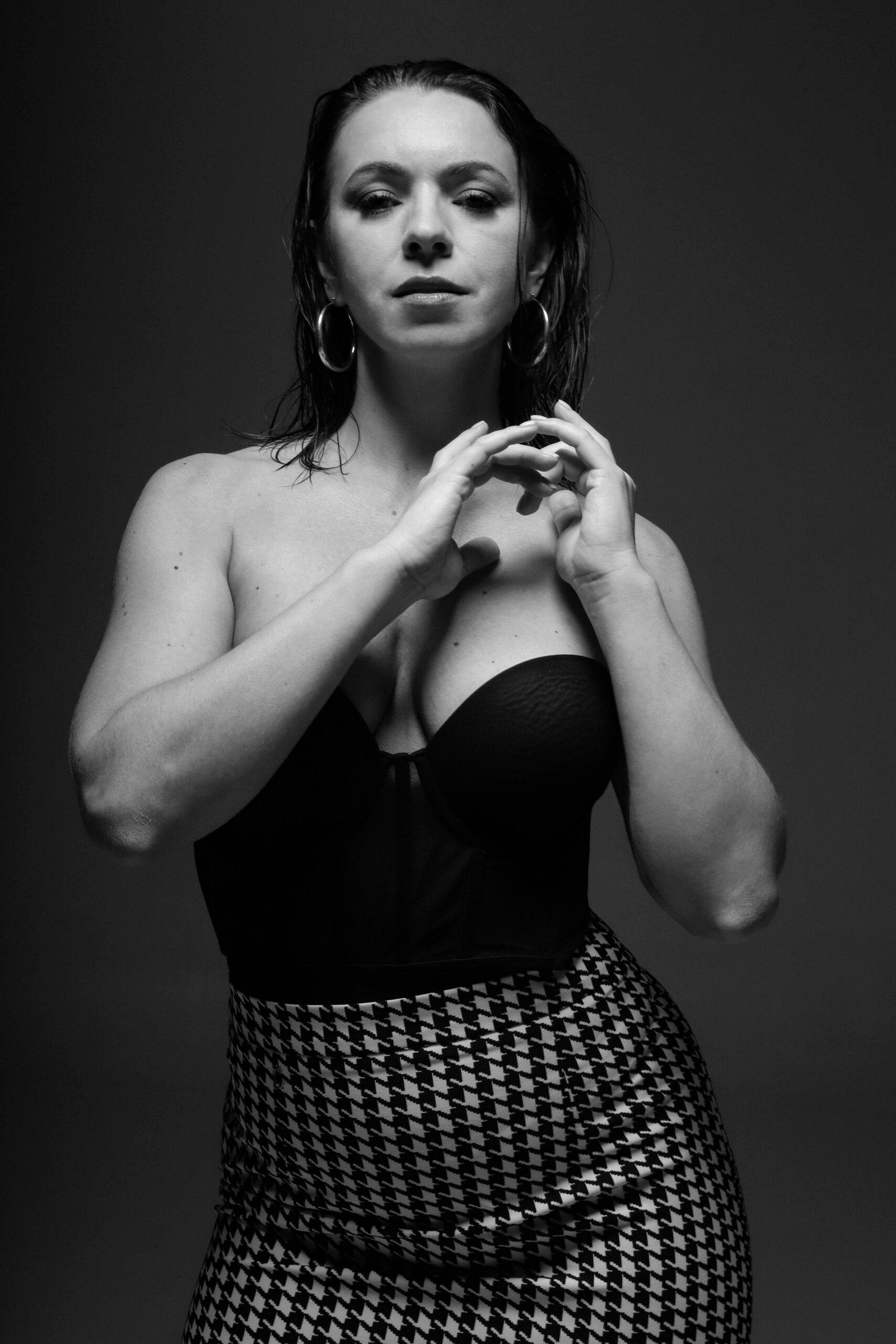
The beginning
I have been a dancer my whole life. I grew up in Bielsko-Biała, Poland, where I began dancing at the age of eight — long before I knew that tango would one day become the centre of my world.
I discovered Argentine tango in December 2014 in Kraków, and within months I understood that this was not just a dance I wanted to learn. It was a language I needed to speak.
London
I moved to London, where I trained with Leandro Palou and María Tsatsiani. It was there that I fell deeply in love with tango salón — the intimate, walking, conversational style rooted in the milongas of Buenos Aires. That discovery changed everything.
I stopped thinking about tango as a sequence of figures and started listening to it as music made physical.
Teachers & lineage
My most formative teachers have been Paola Tachetti and Andrés Laza Moreno — my tango mother and father — and Josefina Bermúdez, who instilled in me a deep attention to detail and precision of technique.
I have also studied with Javier Rodríguez, and more recently my focus has shifted toward traditional tango. I am currently studying with Gabriel Missé, Gabriel Angio and Natalia Games, and taking formal courses in the history and culture of Argentine tango.
Buenos Aires
I have spent significant time living and dancing in Buenos Aires — the city that is both the origin and the living heart of tango. I have studied with its finest teachers, danced in its most traditional milongas, performed on its stages, and earned acceptance into a community that guards its culture carefully.
Buenos Aires did not just teach me tango. It taught me what tango is for.
Now
I am now based in Berlin, travelling regularly to Buenos Aires and across Europe for workshops, festivals and competitions. I organise the Quiero Verte tango festival in Poland and am president of Fundacja Tango Milonga, which supports tango culture in the region.
Tango is not something I do. It is how I understand the world.